 (423) 926-7151
 info@widenerins.com
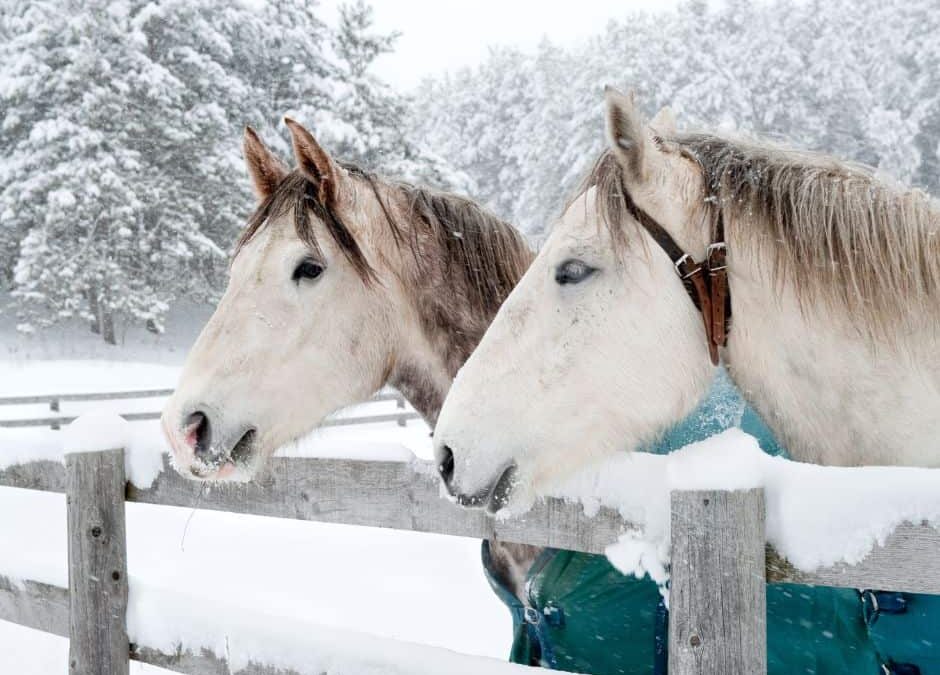
Taking care of livestock during winter requires thoughtful planning and attention to their specific needs in cold temperatures.
Providing adequate shelter is paramount to shield animals from harsh winds, precipitation, and extreme cold. Creating windbreaks, like planted barriers, protects animals from chilling winds. Barns, sheds, or three-sided structures offer protection, while ample clean and dry bedding, such as straw or hay, helps insulate against the cold ground.
Encourage animals to huddle together for warmth. Grouping provides additional body heat and helps them stay warm. However, ensure that there is enough space for all animals to lie down comfortably. For certain livestock breeds or individual animals, consider using insulating coats or blankets to provide extra warmth. Ensure that these are clean, well-fitted, and do not cause any discomfort.
While it’s important to keep the shelter draft-free, ensure there is still adequate ventilation to prevent humidity buildup, which can lead to respiratory issues. Proper airflow and proper ventilation are crucial for overall health.
Ensuring a reliable and unfrozen water supply is crucial, achieved through heated water buckets or tank heaters. Adjusting the animals’ feed to include extra calories is essential, helping them generate body heat to stay warm.
Regular health checks are necessary to identify signs of frostbite, hypothermia, or other cold-related issues, with the option to move animals to warmer areas if needed. A designated exercise area allows them to stay active and maintain overall health. Hoof care, including regular trimming, is crucial to prevent issues caused by snow and ice. Maintaining a connection with a vet and having a plan ready for urgent medical care can offer quick responses to health-related issues.
Proper identification of each animal becomes even more crucial in communal wintering areas. By adjusting their care methods to suit the local winter conditions and the needs of their livestock, caregivers can aim to maintain the health and comfort of their animals during cold periods.